What is non-woven plaster?
 Apr 16, 2025|
 View:2054
In the field of medical care, wound management has always been the focus of technological innovation. With the breakthroughs in materials science and manufacturing processes, non woven plasters, due to their lightweight, high breathability, and low allergenicity, are gradually replacing traditional cotton gauze and plaster bandages and becoming the core solution for modern wound care. According to statistics, in the global medical dressing market, non-woven materials account for more than 45%, and the application scenarios of wound dressing plasters cover postoperative wounds, chronic ulcers, and burn repair. This article will deeply analyze the technical advantages of non woven plasters from three dimensions: material structure, functional characteristics, and clinical applications.
Definition and Process: The Medical Transformation of Non-Woven Technology
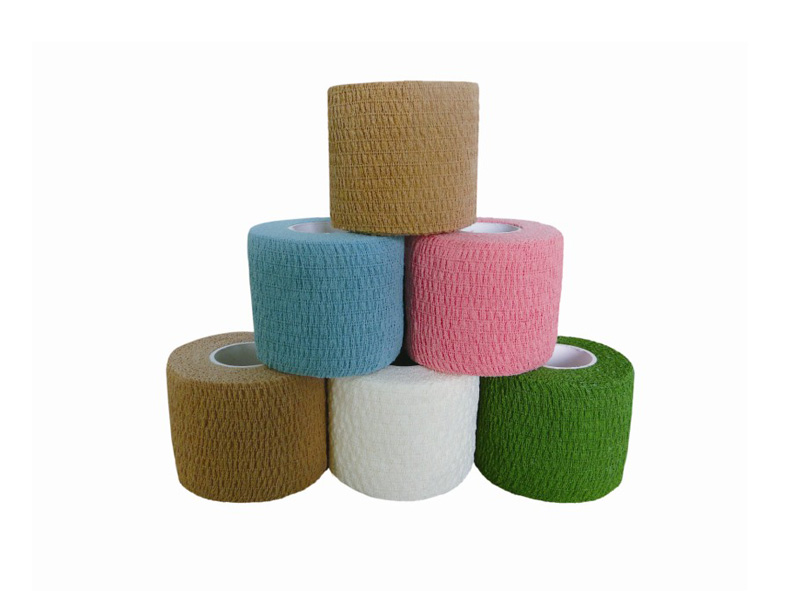
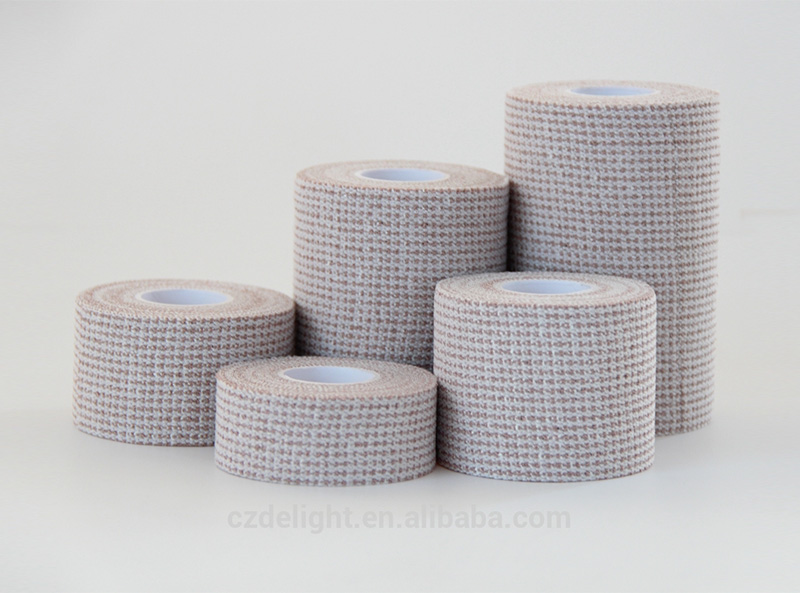
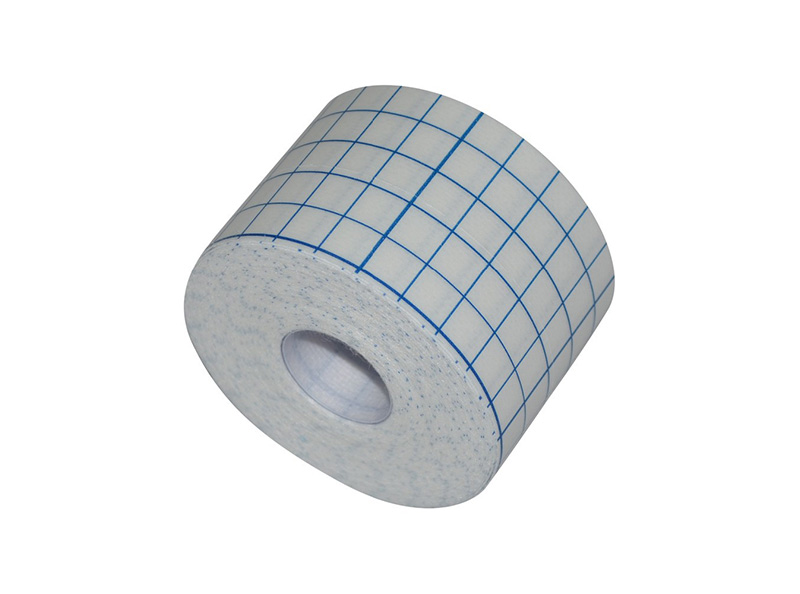
A non woven plaster is a sheet-shaped medical material made of oriented or randomly arranged fibers through processes such as thermal bonding, hydroentanglement, or meltblowing. Different from traditional textile fabrics, its production process does not require spinning and weaving. Instead, the fiber web is directly reinforced by physical or chemical means to form a uniform and porous three-dimensional structure.
Core Processes:
Hydroentanglement Process: High-pressure water jets interweave the fibers, endowing the material with a soft touch and high liquid absorption capacity, which is suitable for exudative wounds.
Meltblowing Process: Ultra-fine fibers (diameter < 5μm) form a dense barrier, effectively blocking the invasion of bacteria.
Thermal Bonding Process: The fiber web is reinforced through hot-melt fibers, improving the tensile strength and dimensional stability.

Material Characteristics: Four Advantages That Subvert Traditional Dressings
Breathability and Humidity Balance
The porosity of the non-woven structure can reach 70%-90%, and the oxygen permeability is three times that of cotton gauze. For example, a dressing plaster with a meltblown-spunbond composite process (SMS structure) can accelerate the regeneration of epithelial cells while maintaining a moist environment for the wound.
Low Allergenicity and Biocompatibility
non woven plasters made from raw materials such as polypropylene (PP) and polyester (PET) have passed the FDA food-grade certification and do not contain fluorescent agents and chemical residues. Clinical data shows that the incidence of skin irritation is 80% lower than that of traditional materials.
Optimized Mechanical Properties
The longitudinal tensile strength is ≥ 30N/cm², and the transverse tear resistance is increased by 50%, which is suitable for dynamic fitting of the joint movement parts.
The elastic modulus can be customized to meet the requirements of progressive compression in pressure therapy.
Functional Expansion
Antibacterial Type: Silver ions or chitosan coating can achieve an inhibition rate of 99.9% against Staphylococcus aureus.
Moisture Absorption and Water Locking Type: The superabsorbent polymer (SAP) composite layer can convert exudate into a gel, reducing the replacement frequency.
Application Scenarios: Full Coverage from Acute Trauma to Chronic Management
Postoperative Wound Care
The low-adhesive backing of non woven plasters can reduce secondary damage during dressing changes, and their breathability advantage is significantly manifested in the control of the infection rate after abdominal cavity surgery.
Management of Diabetic Foot Ulcers
The multi-layer composite structure (such as the liquid absorption layer - antibacterial layer - waterproof membrane) can simultaneously handle exudate, inhibit bacteria, and provide mechanical protection, extending the service life of the dressing to 7 days.
Burn and Scald Repair
The non-woven dressing with a silicone adhesive edge design can gently fit the fragile wound, and with a collagen coating, it can accelerate the formation of granulation tissue.
Sports Injury Protection
High-elastic non woven plasters are widely used for muscle taping, relieving inflammation through directional pressure and supporting the repair of soft tissues.
Selection Guide: Scientific Decision-Making to Match Clinical Needs
Selection According to Wound Type:
Exudative Wounds: Give priority to the hydroentanglement process + high liquid absorption core layer.
Dry Wounds: Use a moisturizing dressing with a through-air bonding process (TFP).
Selection According to the Usage Scenario:
Home Care: Pre-cut and individually packaged, equipped with a breathable and waterproof membrane.
Hospital Intensive Care: Sterilized by ethylene oxide at the sterile level, in line with the YY/T 0506 standard.
Selection According to Patient Needs:
Children and Sensitive Skin: Physically fixed dressings without adhesive design.
Elderly Patients: High-ductility backing + easily tearable edges, reducing the difficulty of operation.
Conclusion: Redefining the Gold Standard of Wound Care
The technological innovation of non woven plasters is essentially the result of the co-evolution of materials science and clinical medicine. From basic care to functional expansion, its high adaptability and safety are reshaping the industry standards of medical dressings.