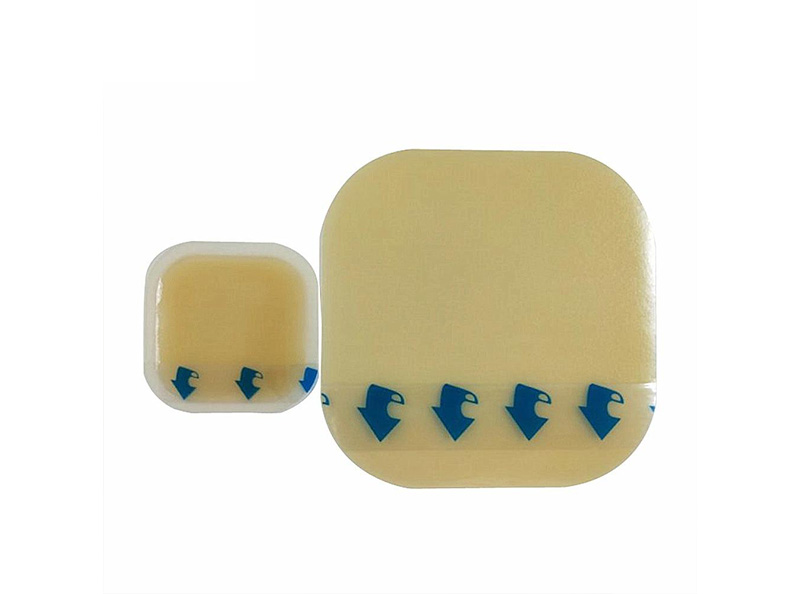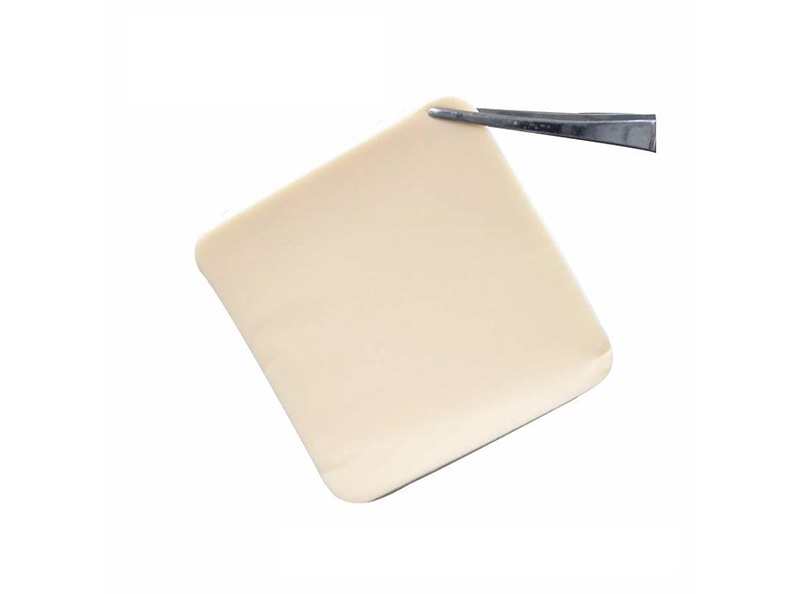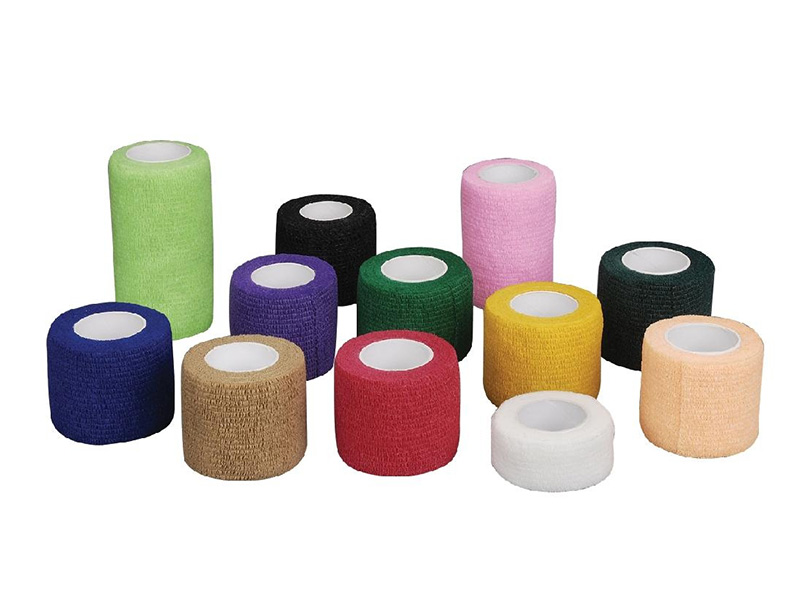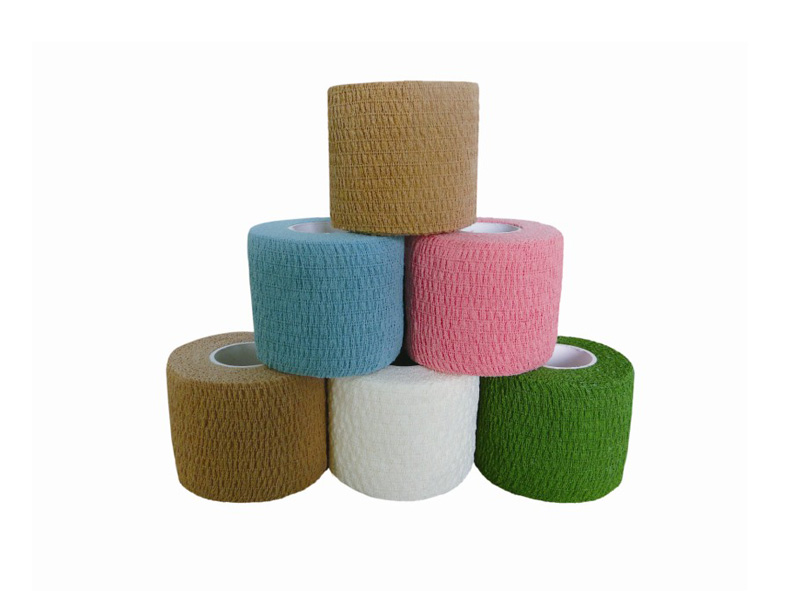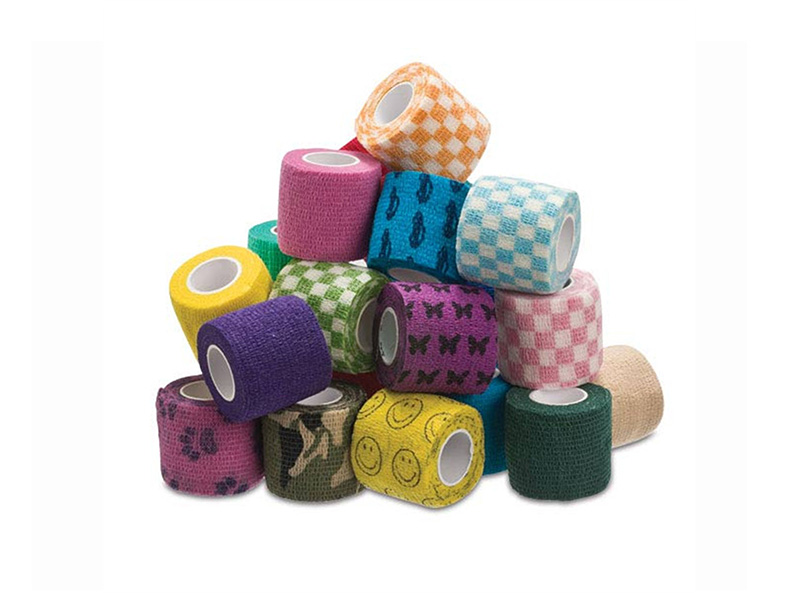
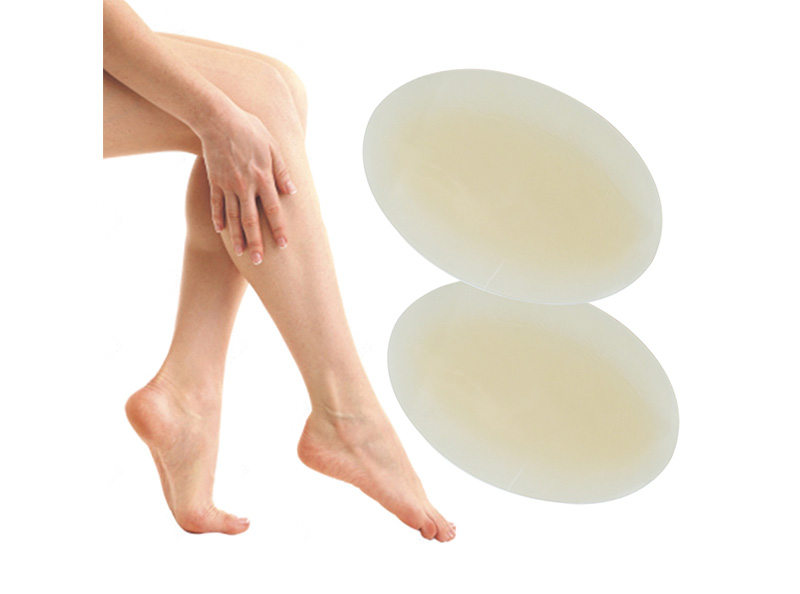


Medical Adhesive Foot Healing Hydrocolloid Dressing

Characteristics of Foot Healing Hydrocolloid Elastic Wound Dressing
1. Good absorbency for exudation from the wound.
2. Keep the wound moist and accelerate the wound healing; Reduce the pain and frequency of dressing change.
3. Waterproof, permeable and prevent the wound from bacteria outside.
4. Excellent elasticity and self-adhesive, feels comfortable and easy for application.
5. The color of elastic wound dressing can indicate the time for changing a new one.
6. This elastic wound dressing is easy for peeling off and it will not stick to the wound, avoiding secondary damage to the wound, thus ease the pain.
7. Reduce the possibility of scar.
Application of Foot Healing Hydrocolloid Elastic Wound Dressing:
1. Low or moderate exuded wounds
2. Crura venous ulcer preventing and curing
3. I-II degree bedsores preventing and curing
4. Small superficial burn injury
5. Postoperative wounds
6. Donated skin area
7. Superficial wound and cosmetic surgery wound
8. Period of granulation and epithelization of chronic wound
Usage Instruction of Foot Healing Hydrocolloid Elastic Wound Dressing
1.Choose edge-ressed or ultra-thin elastic wound dressing according to the extent of exudation. This ensures that the dressing can effectively manage the fluid from the wound, optimizing the healing environment.
2.Select a suitable elastic wound dressing according to the wound size. The dressing size should exceed the wound edge by about 1-2cm. This provides comprehensive coverage, protecting the wound and its surrounding area.
3.Sterilize the wound with iodine. Then, stick the Elastic Wound Dressing on until the surrounding skin of the wound becomes dry. This helps in creating a clean and proper adhesion surface for the dressing.
4.Replace the Elastic Wound Dressing based on the exudation level of the wound and the saturation level of the dressing after absorbing exudation. Generally, replacement can be done 3 to 5 days later, and it should not exceed 7 days. This regular replacement maintains the optimal wound-healing conditions.
5.Replace the dressing when its color changes from pale yellow to ivory. This color change indicates that the elastic wound dressing has reached its saturation point, and a new one is needed for continued effective wound management.
6.Replace the elastic wound dressing if there is any leakage of exudation. This ensures that the wound remains clean and the healing process is not disrupted.